
MBBS In Egypt
Medicine (MBBS / MBBCh)
The MBBCh (equivalent to MBBS) is a professional undergraduate medical degree designed to train students to become licensed medical doctors. The program lasts 5 academic years, followed by 2 years of mandatory internship/clinical training in affiliated teaching hospitals such as Qasr El-Eyni Hospital. Students study basic medical sciences (Anatomy, Physiology, Biochemistry) in early years and clinical subjects (Medicine, Surgery, Pediatrics, Obstetrics & Gynecology, Psychiatry, Orthopedics, Community Medicine) in later years. The degree is internationally recognized and eligible for licensing exams like FMGE/NExT, USMLE, PLAB, etc.
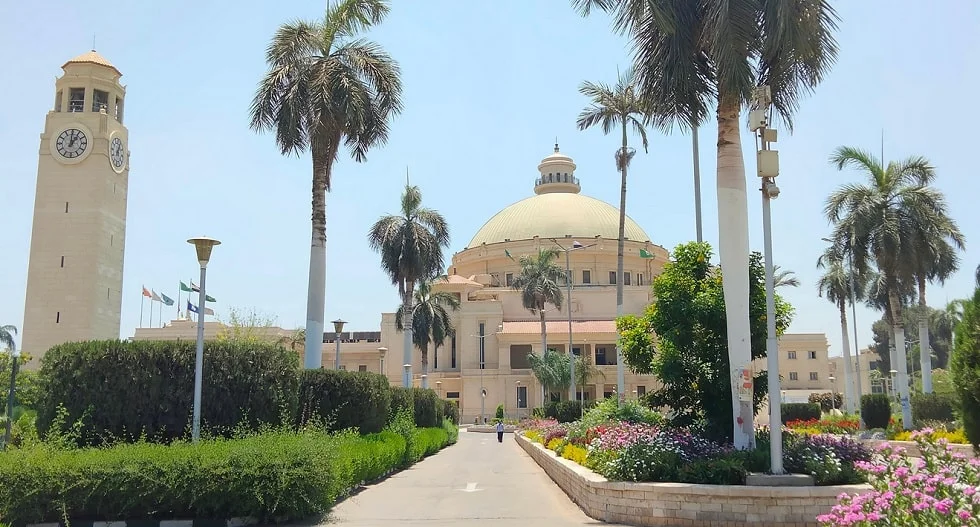
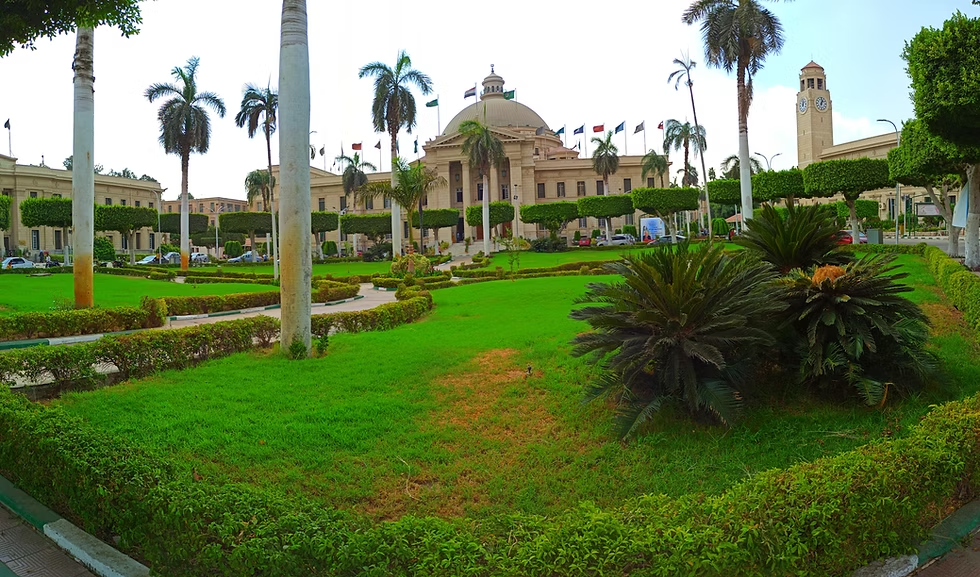
Veterinary Medicine
The Bachelor of Veterinary Medicine is a 5-year professional program focused on animal health, livestock management, food safety, and zoonotic disease prevention. The curriculum includes animal anatomy, physiology, pathology, microbiology, pharmacology, surgery, nutrition, breeding, and preventive veterinary medicine. Graduates can work as veterinary doctors, animal health officers, livestock consultants, researchers, or pursue higher studies..
Nursing
The Bachelor of Nursing program focuses on patient care, clinical practice, and healthcare management. Students study anatomy, physiology, medical-surgical nursing, pediatric nursing, psychiatric nursing, community health nursing, and clinical ethics. Practical training is conducted in teaching hospitals. Graduates can work as registered nurses in hospitals, clinics, and public health institutions.

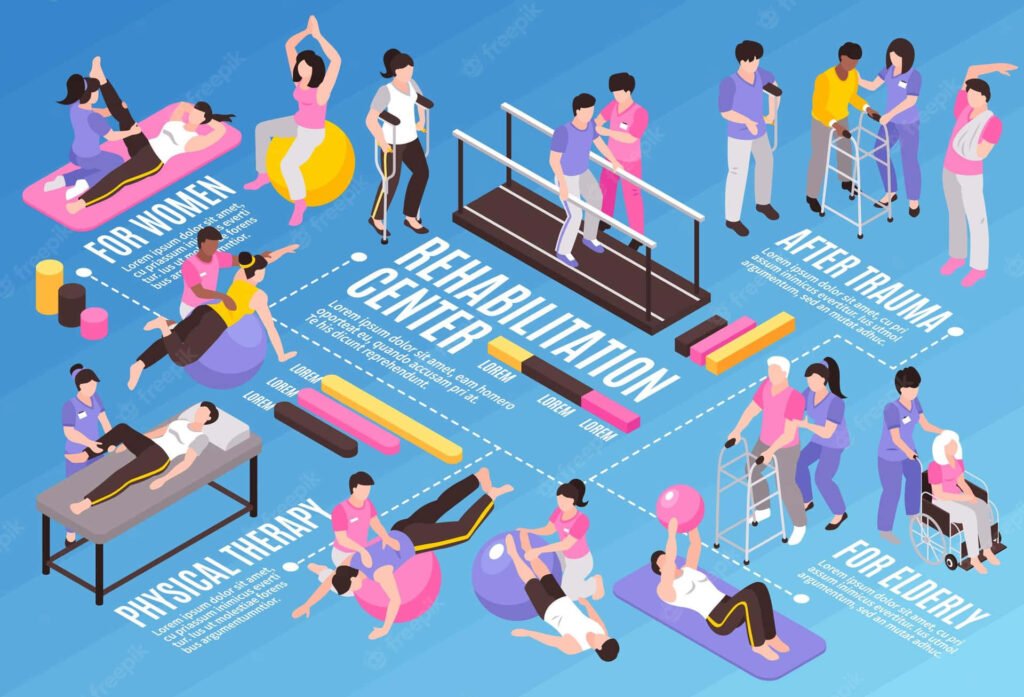
Physical Therapy
The Bachelor of Physical Therapy is a healthcare program focused on rehabilitation and movement sciences. Students study anatomy, biomechanics, kinesiology, neurology, orthopedics, and rehabilitation techniques. Graduates help patients recover from injuries, surgeries, neurological disorders, and physical disabilities and can work in hospitals, rehabilitation centers, and sports clinics..
Postgraduate Courses
(Master’s Degree Programs)

Master of Public Health (MPH)
The MPH program focuses on public health policy, epidemiology, biostatistics, environmental health, and health promotion. Graduates work in healthcare administration, public health organizations, NGOs, research institutions, and government health departments.
Doctoral Programs (PhD)
PhD in Medicine & Health Sciences
A research-intensive program focused on advanced medical research, clinical studies, and health sciences innovation. Graduates become medical researchers, professors, and healthcare leaders.

Professional & Clinical Courses
Clinical Residency & Specialization (Medicine & Dentistry)
After completing undergraduate medical or dental degrees, graduates enter clinical residency programs for specialization in fields such as internal medicine, surgery, pediatrics, orthopedics, radiology, dentistry specialties, and more. These programs are hands-on, hospital-based, and essential for professional practice and specialization.

Studying medicine abroad has become an increasingly popular choice for international students, especially those seeking quality education at an affordable cost. MBBS In Egypt has emerged as a strong option because the country combines a rich academic heritage with modern medical training standards. Egypt is home to some of the oldest universities in the world, and its medical institutions are well known for strong theoretical foundations and extensive clinical exposure. For students who aspire to become globally competent doctors, Egypt offers a balanced environment where education, culture, and professional growth come together in a meaningful way.
One of the biggest reasons students choose MBBS In Egypt is the long-standing reputation of Egyptian medical universities. Institutions such as Cairo University, Ain Shams University, Alexandria University, and Mansoura University are recognized worldwide and have produced generations of skilled doctors working across the globe. These universities emphasize evidence-based learning, research-oriented education, and practical hospital training. Students benefit from studying in teaching hospitals that handle a high volume of patients, giving them early exposure to real-life medical cases and diverse health conditions.
Another major advantage of MBBS In Egypt is affordability when compared to many other international destinations. Tuition fees are significantly lower than in countries like the USA, UK, or Australia, while still maintaining strong academic standards. The cost of living in Egypt is also reasonable, making it easier for students from middle-income families to manage expenses related to accommodation, food, transportation, and daily needs. This financial balance allows students to focus more on studies and clinical training rather than constant financial pressure.
The duration and structure of MBBS In Egypt are designed to meet international medical education norms. Typically, the program spans five to six years, including pre-clinical, para-clinical, and clinical phases, followed by an internship. The curriculum is well structured, covering subjects such as anatomy, physiology, biochemistry, pathology, pharmacology, microbiology, medicine, surgery, pediatrics, and obstetrics and gynecology. This comprehensive structure ensures that students develop a strong base in both theory and practical skills.
For Indian and other international students, MBBS In Egypt is particularly attractive because many universities offer instruction in English. This removes language barriers in academic learning and helps students adapt quickly to the education system. Although Arabic is the local language, universities often provide language support or basic Arabic courses to help students communicate effectively with patients during clinical rotations. This bilingual exposure can be an added advantage in building communication skills.
Recognition and accreditation are critical factors when choosing a medical destination, and MBBS In Egypt meets these requirements well. Many Egyptian medical universities are recognized by global bodies such as the World Health Organization (WHO) and are listed in international medical directories. For Indian students, recognition by the National Medical Commission (NMC) is essential, and several Egyptian universities fulfill the necessary criteria. This recognition allows graduates to appear for licensing exams like FMGE/NExT and pursue medical practice or higher studies in India or abroad.
Admission requirements for MBBS In Egypt are generally straightforward and student-friendly. Most universities require completion of higher secondary education with physics, chemistry, and biology as core subjects. A qualifying percentage is usually required, but entrance exams are often not mandatory, making the process simpler compared to many other countries. This transparent admission system reduces stress and gives deserving students a fair opportunity to pursue their medical dreams.
The quality of clinical exposure is a defining strength of MBBS In Egypt. Egypt has a large and diverse population, and government as well as university hospitals treat patients from different socio-economic backgrounds. This diversity exposes students to a wide range of diseases, medical conditions, and treatment protocols. Early and continuous clinical exposure helps students develop diagnostic skills, patient-handling confidence, and practical decision-making abilities that are essential for a successful medical career.
Safety and student life are also important considerations, and MBBS In Egypt offers a supportive environment for international students. Major cities with medical universities have well-developed infrastructure, reliable public transport, and student-friendly neighborhoods. Universities often have international student offices that assist with accommodation, visa support, and cultural adaptation. This support system helps students settle comfortably and focus on academic excellence.
The cultural experience associated with MBBS In Egypt is another unique benefit. Egypt’s rich history, ancient civilization, and diverse traditions provide students with a broader global perspective. Living in Egypt allows students to interact with peers from different countries, promoting cross-cultural understanding and personal growth. Such exposure is valuable in today’s globalized healthcare environment, where doctors often work with multicultural patient populations.
Career opportunities after completing MBBS In Egypt are diverse and promising. Graduates can choose to return to their home country for licensing exams, pursue postgraduate studies abroad, or explore research and clinical roles internationally. The strong academic base and clinical experience gained in Egypt prepare students to compete globally. Many graduates successfully clear international licensing exams and build careers in countries across the Middle East, Europe, and Asia.
Another reason students prefer MBBS In Egypt is the experienced faculty and academic mentorship available at Egyptian universities. Professors and clinicians often have decades of teaching and clinical experience and are actively involved in research and hospital practice. Their guidance helps students understand complex medical concepts and apply them effectively in clinical settings. This mentorship-driven approach enhances both academic performance and professional confidence.
Studying medicine abroad has become a popular and practical option for students who aspire to become doctors but face intense competition or high costs in their home countries. Among the many international destinations available today, Egypt has steadily gained recognition as a reliable and academically strong country for medical education. With its centuries-old history of learning, globally respected universities, and affordable fee structure, Egypt offers an attractive pathway for students seeking a medical degree that combines quality education with extensive clinical exposure. The country’s medical education system follows international standards and provides students with a strong foundation in both theoretical knowledge and practical medical training.
Egypt is widely regarded as one of the oldest centers of education in the world, with a legacy that dates back thousands of years. Modern Egyptian universities build upon this rich academic tradition while integrating contemporary medical science and technology. Medical universities in Egypt are known for their structured curriculum, experienced faculty, and large teaching hospitals. These institutions emphasize evidence-based medicine and ensure that students are trained to handle real-world medical challenges. The learning environment is academically rigorous, encouraging students to develop analytical thinking, clinical reasoning, and ethical responsibility from the early stages of their education.
One of the most significant reasons students choose to study medicine in Egypt is affordability. Compared to many popular study-abroad destinations such as the United States, United Kingdom, or Australia, Egypt offers medical education at a much lower cost. Tuition fees are reasonable, and the cost of living is also affordable for international students. Expenses related to accommodation, food, transportation, and daily necessities are manageable, allowing students from diverse economic backgrounds to pursue their medical dreams without facing overwhelming financial pressure. This affordability does not compromise quality, as Egyptian universities maintain strong academic standards.
The medical curriculum in Egypt is designed to align with international medical education frameworks. The program typically includes pre-clinical, para-clinical, and clinical phases, followed by an internship. During the initial years, students focus on foundational subjects such as anatomy, physiology, biochemistry, and histology. As they progress, they study pathology, pharmacology, microbiology, and forensic medicine. In the later years, students receive intensive clinical training in subjects such as internal medicine, surgery, pediatrics, obstetrics and gynecology, orthopedics, psychiatry, and community medicine. This gradual and structured approach ensures a smooth transition from theory to hands-on practice.
A major advantage of medical education in Egypt is the extensive clinical exposure students receive. Egyptian teaching hospitals serve a large and diverse population, offering students the opportunity to observe and participate in the diagnosis and treatment of a wide range of medical conditions. High patient inflow ensures that students encounter various diseases, including both common and rare cases. This real-world exposure helps students develop confidence, clinical judgment, and practical skills that are essential for a successful medical career. Early interaction with patients also enhances communication skills and professional behavior.
Language of instruction is an important consideration for international students, and many Egyptian medical universities offer courses in English. This makes learning more accessible for students from non-Arabic-speaking countries. While Arabic is commonly used in daily life and patient interaction, universities often provide language support or basic Arabic training to help students communicate effectively during clinical rotations. Learning basic medical Arabic can be a valuable skill and helps students integrate more easily into the healthcare system.
Recognition and accreditation play a crucial role when choosing a medical destination. Many Egyptian medical universities are recognized by international organizations such as the World Health Organization and are listed in global medical directories. Degrees awarded by these institutions are accepted in many countries, subject to local licensing requirements. Graduates can appear for medical licensing examinations in their home countries or pursue further studies and specialization abroad. This global recognition ensures that students have flexibility in planning their future careers.
The admission process for medical studies in Egypt is generally straightforward. Universities usually require completion of higher secondary education with science subjects such as physics, chemistry, and biology. Minimum academic performance criteria apply, but the process is often less stressful compared to entrance examinations in some countries. This transparent and merit-based admission system provides students with a fair opportunity to pursue medical education without excessive procedural complexity.
Life in Egypt as a student offers a unique blend of academic focus and cultural exploration. Egypt is known for its historical landmarks, vibrant cities, and welcoming culture. International students have the opportunity to experience a new way of life while building friendships with peers from different countries. This multicultural environment promotes personal growth, adaptability, and global awareness. Living in Egypt also helps students develop independence and resilience, qualities that are valuable in the medical profession.
Safety and student support services are important aspects of studying abroad, and Egyptian universities take steps to ensure a secure and supportive environment for international students. Most universities have dedicated international offices that assist with admissions, visas, accommodation, and academic guidance. Hostels and private accommodations are available near campuses, offering comfortable living arrangements. Universities and local communities are generally supportive of international students, helping them adapt smoothly to their new surroundings.
Faculty quality is another strong aspect of medical education in Egypt. Professors and clinicians are highly qualified and often have extensive experience in teaching, research, and clinical practice. Many faculty members are actively involved in medical research and contribute to international journals and conferences. Their expertise and mentorship play a vital role in shaping students into competent and ethical medical professionals. Close interaction with faculty members allows students to clarify concepts, gain guidance, and develop professional confidence.
Medical education in Egypt also places importance on research and academic development. Students are encouraged to participate in research projects, seminars, and conferences. Exposure to research helps students understand scientific methodology, critical analysis, and evidence-based practice. This research orientation is beneficial for students who plan to pursue postgraduate studies or academic careers in medicine.
After completing their medical degree, graduates have various career pathways available. They may choose to return to their home country and appear for licensing examinations, pursue postgraduate studies, or seek employment opportunities abroad. The strong academic foundation and clinical exposure gained during their studies prepare them well for competitive examinations and professional challenges. Many graduates successfully establish careers in hospitals, clinics, research institutions, and healthcare organizations worldwide.
Parents and guardians often view Egypt as a reliable destination for medical education due to its long history of hosting international students and its stable education system. Universities maintain transparent policies regarding fees, curriculum, and academic requirements. This transparency builds trust and confidence among families who invest in their children’s education abroad.
In summary, studying medicine in Egypt offers a comprehensive and well-balanced educational experience. With affordable costs, internationally recognized universities, English-medium instruction, extensive clinical exposure, experienced faculty, and global career opportunities, Egypt stands out as a strong choice for aspiring doctors. The combination of academic rigor, practical training, and cultural enrichment makes Egypt an appealing destination for students who wish to pursue a meaningful and globally relevant medical career.
Studying medicine abroad has become an increasingly popular choice for international students, especially those seeking quality education at an affordable cost. MBBS In Egypt has emerged as a strong option because the country combines a rich academic heritage with modern medical training standards. Egypt is home to some of the oldest universities in the world, and its medical institutions are well known for strong theoretical foundations and extensive clinical exposure. For students who aspire to become globally competent doctors, Egypt offers a balanced environment where education, culture, and professional growth come together in a meaningful way.
One of the biggest reasons students choose MBBS In Egypt is the long-standing reputation of Egyptian medical universities. Institutions such as Cairo University, Ain Shams University, Alexandria University, and Mansoura University are recognized worldwide and have produced generations of skilled doctors working across the globe. These universities emphasize evidence-based learning, research-oriented education, and practical hospital training. Students benefit from studying in teaching hospitals that handle a high volume of patients, giving them early exposure to real-life medical cases and diverse health conditions.
Another major advantage of MBBS In Egypt is affordability when compared to many other international destinations. Tuition fees are significantly lower than in countries like the USA, UK, or Australia, while still maintaining strong academic standards. The cost of living in Egypt is also reasonable, making it easier for students from middle-income families to manage expenses related to accommodation, food, transportation, and daily needs. This financial balance allows students to focus more on studies and clinical training rather than constant financial pressure.Studying medicine abroad has become an increasingly popular choice for international students, especially those seeking quality education at an affordable cost. MBBS In Egypt has emerged as a strong option because the country combines a rich academic heritage with modern medical training standards. Egypt is home to some of the oldest universities in the world, and its medical institutions are well known for strong theoretical foundations and extensive clinical exposure. For students who aspire to become globally competent doctors, Egypt offers a balanced environment where education, culture, and professional growth come together in a meaningful way.
One of the biggest reasons students choose MBBS In Egypt is the long-standing reputation of Egyptian medical universities. Institutions such as Cairo University, Ain Shams University, Alexandria University, and Mansoura University are recognized worldwide and have produced generations of skilled doctors working across the globe. These universities emphasize evidence-based learning, research-oriented education, and practical hospital training. Students benefit from studying in teaching hospitals that handle a high volume of patients, giving them early exposure to real-life medical cases and diverse health conditions.
Another major advantage of MBBS In Egypt is affordability when compared to many other international destinations. Tuition fees are significantly lower than in countries like the USA, UK, or Australia, while still maintaining strong academic standards. The cost of living in Egypt is also reasonable, making it easier for students from middle-income families to manage expenses related to accommodation, food, transportation, and daily needs. This financial balance allows students to focus more on studies and clinical training rather than constant financial pressure.